
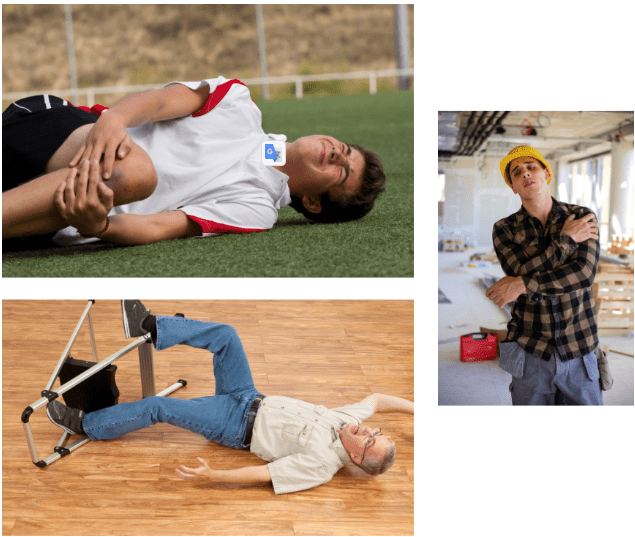
If you have ever sprained an ankle, pulled a muscle, or taken a knock on the sports field, you were likely told to follow a familiar acronym:
- First, it was ICE (Ice, Compression, Elevation).
- Then came RICE (Rest, Ice, Compression, Elevation).
- Later, it evolved to POLICE (Protection, Optimal Loading, Ice, Compression, Elevation).
While these protocols served as helpful damage control, soft-tissue injury rehabilitation has taken a massive leap forward. Acronyms like POLICE focused almost exclusively on immediate acute care, largely ignoring the subacute, remodelling, and psychosocial phases of recovery.
Recent clinical reviews on the evolution from RICE to PEACE & LOVE emphasize that managing an injury is not just about short-term symptom relief—it is about supporting long-term tissue repair. Crucially, evidence shows that aggressively shutting down natural inflammation with heavy icing and anti-inflammatory medications can actually delay tissue regeneration.
Today, the gold standard of care follows a complete continuum: PEACE & LOVE.
🕊️ Immediately After Injury: Let PEACE Guide You
In the first 24 to 72 hours, the body kicks off an intricate, highly coordinated healing cascade. The goal during this acute stage is gentle protection without stalling natural repair:
- P – Protect:
Unload and restrict movement for the first 1 to 3 days to minimise bleeding, prevent over-stretching injured fibres, and lower the risk of aggravating the tissues. Rest should be relative rather than absolute immobilisation—let your pain guide when to ease off protection. - E – Elevate:
Elevate the injured limb higher than the heart whenever comfortable. This encourages excess interstitial fluid and swelling to drain away via the lymphatic system. - A – Avoid Anti-Inflammatory Modalities:
Skip the NSAIDs (like Ibuprofen) and rethink the ice! Inflammation is an essential biological repair mechanism, not a design flaw. Inhibiting this response with anti-inflammatory medications can impair optimal tissue healing. Similarly, while ice numbs pain temporarily, excessive cooling slows down cellular repair and blood vessel formation. For comfort, consider alternatives like paracetamol or gentle positioning. - C – Compress:
Apply external mechanical compression using supportive taping, tubular bandages, or elastic wraps. Compression helps manage joint swelling and tissue fluid without interfering with cellular repair. - E – Educate:
Active recovery outperforms passive modalities (like machines, passive rub-downs, or early injections). Educating yourself on the condition and listening to your body prevents overtreatment and sets realistic expectations for your recovery timeline.
❤️ In the Days & Weeks Ahead: Your Tissues Need LOVE
Once acute irritation subsides, healing tissues need guided stimulation to remodel, regain tensile strength, and return to full function:
- L – Load:
Movement is medicine. Introducing sensible mechanical stress early on encourages cellular repair and builds tissue tolerance in tendons, ligaments, and muscles. Resume normal, daily activities as soon as symptoms allow. - O – Optimism:
Your brain and nervous system play a significant role in pain perception. Staying confident, positive, and avoiding fear of movement actively improves recovery outcomes and helps you get back to your baseline faster. - V – Vascularisation:
Pain-free cardiovascular exercise should be started within a few days of injury. Activities like stationary cycling, walking, or pool drills improve circulation, bringing oxygen and essential nutrients to recovering tissues while boosting mood. - E – Exercise:
Structured rehabilitation is the key to preventing future flare-ups. Progressive exercises restore mobility, strength, and proprioception (balance and joint coordination), ensuring the area is robust enough to handle sport and daily demands.
When Should You Seek Professional Assessment? 🚨
Most everyday soft-tissue sprains and strains make steady progress when guided by PEACE & LOVE. However, be sure to consult a physiotherapist or doctor promptly if:
- You cannot bear weight on the injured limb immediately following the injury.
- There is noticeable visible deformity or significant joint locking.
- You experience persistent pins and needles, numbness, or loss of sensation.
- Swelling and pain fail to show consistent improvement after several days.
Need an accurate assessment or an active, structured recovery plan? Book a consultation with our physiotherapy team to get your recovery on the right track.